Dandelion Leaf Pesto Pasta
Highlighted under: World Flavors
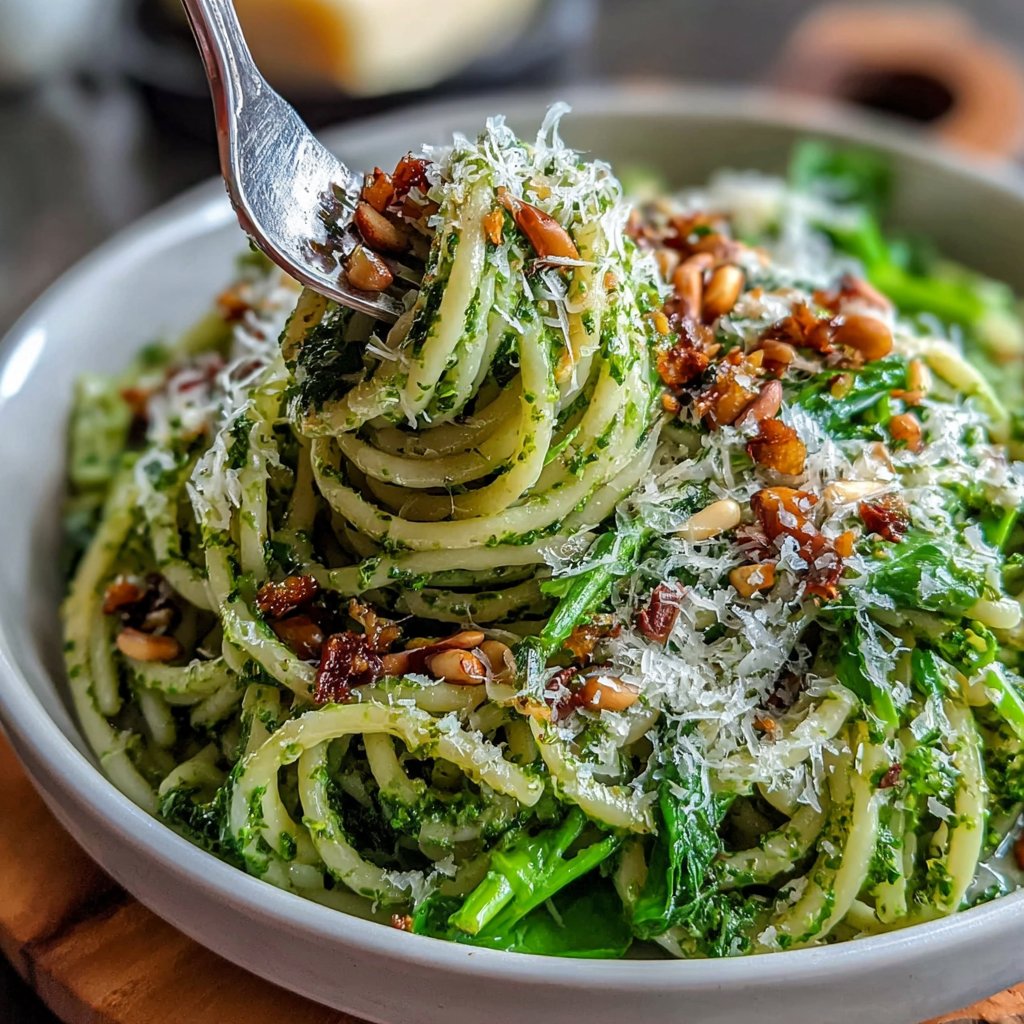
I absolutely love experimenting with unique ingredients, and dandelion leaves have become a surprising favorite. When I first tried making pesto with them, I was amazed at how they brought a vibrant, slightly bitter flavor to the classic dish. This recipe not only transforms leftover dandelion greens into a delicious sauce but also creates a quick weeknight dinner that’s both nutritious and satisfying. Trust me, dandelion leaf pesto pasta will be your new go-to for a fresh, herbal twist on traditional pasta!
When I discovered the benefits of foraging, I was thrilled to find that dandelion leaves are not only free but packed with nutrients! I decided to test them in a traditional pesto recipe, and the result was astounding. The brightness of the dandelion greens complemented the garlic and nuts beautifully, creating a pesto that’s both earthy and vibrant.
The key tip I discovered is to balance the bitterness of the dandelions with a touch of lemon juice. This lifts the entire dish and adds a refreshing pop that keeps the pasta feeling light yet satisfying. I promise you’ll be amazed at how simple ingredients can create something so delicious!
Why You'll Love This Recipe
- A unique twist on traditional pesto with a delightful earthy flavor.
- Nutritious dandelion leaves packed with vitamins and minerals.
- Quick to prepare, making it perfect for busy weeknight dinners.
The Role of Dandelion Leaves
Dandelion leaves are often overlooked in the culinary world, but they bring a unique character to the pesto. Their slightly bitter flavor acts as a counterpoint to the rich, creamy components of the sauce, making it more complex and intriguing. It's important to choose young, tender leaves for the best flavor and texture. Older leaves can be tougher and more bitter, which might overwhelm the dish. If you find them too bitter for your taste, you can blend them with a handful of spinach or basil to mellow the flavor.
In terms of nutrition, dandelion greens are a powerhouse. They're high in vitamins A, C, and K and packed with antioxidants. This means that not only are you enjoying a delicious sauce, but you're also adding a healthy boost to your pasta. To maximize the nutritional benefits, consider steaming the greens for just a minute before blending; this can make some nutrients more bioavailable without compromising the flavor.
Perfecting Your Pesto
When making pesto, achieving the right consistency is crucial. If your mixture feels too thick, slowly add some reserved pasta water until it becomes glossy and spreadable. This water contains starch, which helps bind the sauce to the pasta. Remember, blending too long can lead to an overly smooth pesto; the charm of pesto lies in its slight chunkiness, where the texture of the pine nuts remains apparent.
A common pitfall in pesto making is not seasoning adequately. Taste your pesto before serving; adding a pinch of extra salt or a squeeze of lemon can elevate the flavors significantly. If you prefer a nuttier profile, try toasting the pine nuts lightly in a dry skillet beforehand. This enhances their flavor through caramelization, giving your pesto an extra depth that pairs excellently with the dandelion.
Ingredients
Gather the following ingredients to make your dandelion leaf pesto pasta:
Ingredients for Pesto
- 2 cups fresh dandelion leaves, washed and stems removed
- 1/2 cup grated Parmesan cheese
- 1/3 cup pine nuts (or walnuts)
- 2 garlic cloves, minced
- 1/2 cup extra-virgin olive oil
- Juice of 1 lemon
- Salt and pepper to taste
Ingredients for Pasta
- 12 oz pasta of your choice (spaghetti, linguine, or fettuccine)
- Extra Parmesan for serving
- Fresh herbs for garnish (optional)
Now that you have your ingredients ready, let’s move on to making the pesto!
Instructions
Follow these simple steps to whip up your dandelion leaf pesto pasta:
Cook the Pasta
Bring a large pot of salted water to a boil. Add the pasta and cook according to package instructions until al dente. Reserve 1 cup of pasta water and then drain the rest.
Make the Pesto
In a food processor, combine dandelion leaves, Parmesan cheese, pine nuts, and minced garlic. Blend until finely chopped. While the processor is running, slowly drizzle in the olive oil until the mixture is well combined and creamy. Add lemon juice, salt, and pepper to taste.
Combine and Serve
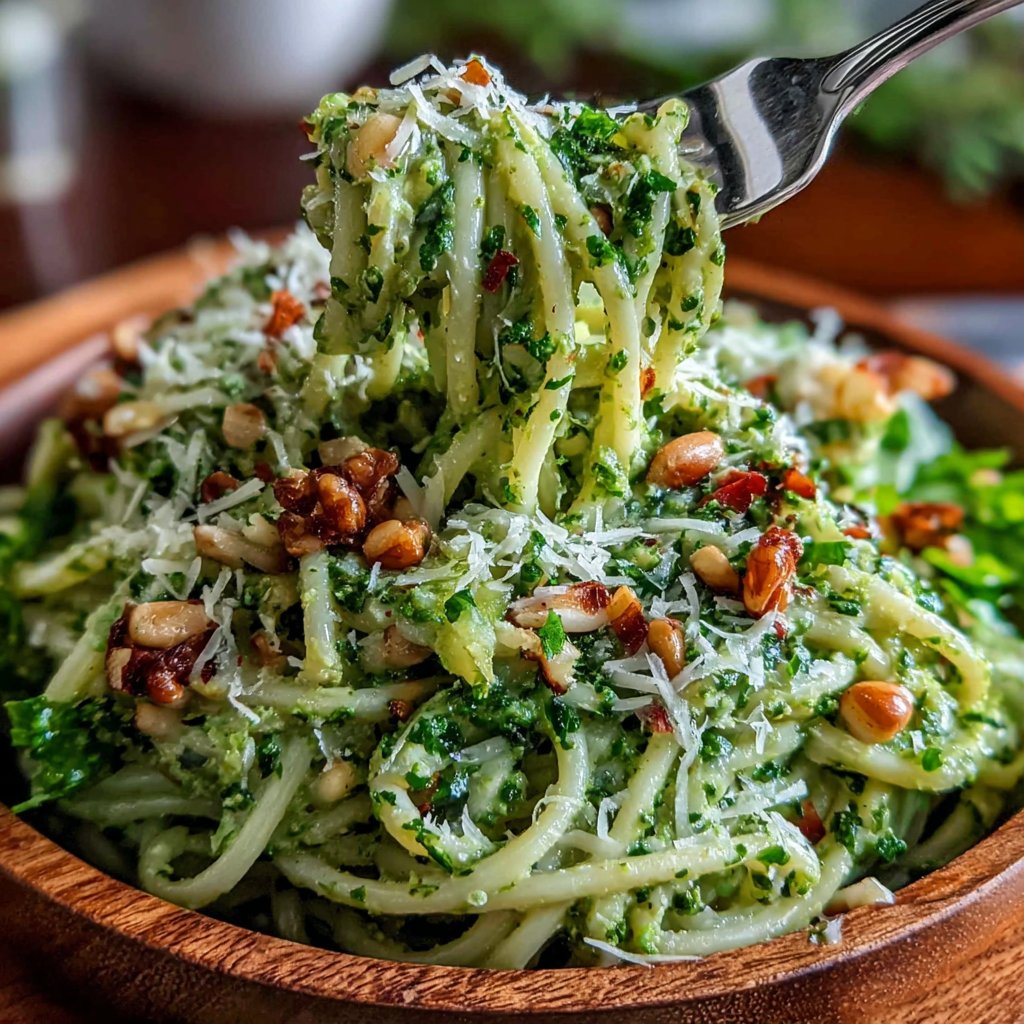
In a large bowl, toss the drained pasta with the pesto. If the sauce is too thick, add a bit of reserved pasta water to achieve your desired consistency. Serve with extra Parmesan and fresh herbs if desired.
Your delicious dandelion leaf pesto pasta is ready to be enjoyed!
Pro Tips
- Feel free to customize this pesto by adding other herbs like basil or mint for an extra layer of flavor. If you prefer a nut-free version, you can substitute the nuts with sunflower seeds.
Serving Suggestions
To complement the dandelion leaf pesto pasta, consider a fresh side salad with lemon vinaigrette. This will brighten the meal and contrast nicely with the earthy pesto. You could also serve it with grilled chicken or shrimp for added protein, making it a versatile dish perfect for various dietary needs.
For a gourmet touch, I love sprinkling toasted breadcrumbs on top for crunch. Simply toast breadcrumbs in olive oil until golden and crisp, then sprinkle them over the pasta before serving. A drizzle of high-quality extra-virgin olive oil right before serving can also enhance flavor and presentation.
Make-Ahead and Storage Tips
If you're looking to save time, this pesto can be made ahead of time and stored in the refrigerator for up to a week. Just make sure to cover the surface with a thin layer of olive oil to prevent browning. If you want to store it longer, consider freezing the pesto in ice cube trays. Once frozen, transfer the cubes to a zip-top bag for easy portioning later on.
When reheating the pasta, do it gently on the stovetop over low heat with a splash of reserved pasta water. This prevents the pesto from breaking down and losing its creamy texture. If the pasta has absorbed too much sauce, adding that reserved water will rehydrate it beautifully.
Questions About Recipes
→ Can I use other greens for this pesto?
Absolutely! You can substitute dandelion leaves with spinach, kale, or arugula if you prefer.
→ How long will the pesto last in the fridge?
Stored in an airtight container, the pesto will keep for up to a week in the refrigerator.
→ Can I freeze the pesto?
Yes, you can freeze pesto in ice cube trays, and later transfer the cubes to a zip-top bag for long-term storage.
→ What pasta works best for this recipe?
Any type of pasta works, but I recommend using long noodles like spaghetti or linguine for better pesto distribution.
Dandelion Leaf Pesto Pasta
Created by: The Harryscookbook Team
Recipe Type: World Flavors
Skill Level: Easy
Final Quantity: 4 servings
What You'll Need
Ingredients for Pesto
- 2 cups fresh dandelion leaves, washed and stems removed
- 1/2 cup grated Parmesan cheese
- 1/3 cup pine nuts (or walnuts)
- 2 garlic cloves, minced
- 1/2 cup extra-virgin olive oil
- Juice of 1 lemon
- Salt and pepper to taste
Ingredients for Pasta
- 12 oz pasta of your choice (spaghetti, linguine, or fettuccine)
- Extra Parmesan for serving
- Fresh herbs for garnish (optional)
How-To Steps
Bring a large pot of salted water to a boil. Add the pasta and cook according to package instructions until al dente. Reserve 1 cup of pasta water and then drain the rest.
In a food processor, combine dandelion leaves, Parmesan cheese, pine nuts, and minced garlic. Blend until finely chopped. While the processor is running, slowly drizzle in the olive oil until the mixture is well combined and creamy. Add lemon juice, salt, and pepper to taste.
In a large bowl, toss the drained pasta with the pesto. If the sauce is too thick, add a bit of reserved pasta water to achieve your desired consistency. Serve with extra Parmesan and fresh herbs if desired.
Extra Tips
- Feel free to customize this pesto by adding other herbs like basil or mint for an extra layer of flavor. If you prefer a nut-free version, you can substitute the nuts with sunflower seeds.
Nutritional Breakdown (Per Serving)
- Calories: 350 kcal
- Total Fat: 26g
- Saturated Fat: 5g
- Cholesterol: 20mg
- Sodium: 200mg
- Total Carbohydrates: 30g
- Dietary Fiber: 3g
- Sugars: 2g
- Protein: 8g